
Ants usually announce themselves on the counter. Wasps make their presence known near a nest. Roaches turn up where there is food or moisture. Termites stay hidden.
They work behind walls, under floors, near foundations, in crawl spaces, and around wood that has regular contact with moisture. By the time damage is easy to see, the problem has usually been active for a while.
That does not mean every home has termites. It means an inspection is how you find out before the damage becomes obvious. If you own a home in Cincinnati or Northern Kentucky, a termite inspection is not panic — it is basic home protection. Here is when to schedule one.
Why termite inspections matter
An inspection answers one question: is there termite activity or risk around my home?
That question is hard to answer yourself because termites enter through small openings, move through soil, and damage wood in the places nobody checks during normal maintenance. A professional inspection looks at where they are most likely to be hiding — foundation areas, basement walls, crawl spaces, sill plates, wood trim, door frames, floor supports, moisture-prone areas, wood near soil, and exterior entry points.
Guessing is cheaper at first. It is also how homes end up with expensive surprises.
Get one if you see warning signs
Some signs are clear. Others are easy to confuse with water damage, aging wood or other insects.
Mud tubes
One of the most common signs. They appear along foundation walls, basement walls, crawl spaces and exterior surfaces — anywhere termites move between soil and wood — and they let the termites travel under cover.
If you find small tube-like lines of mud or soil near your foundation or basement, do not scrape them away and move on. Have them checked, so someone can tell you whether they are active.
Discarded wings
When a colony produces winged termites, they leave to start new colonies and shed their wings afterwards. You may find them near windows, doors, basement areas or light sources.
The tricky part is that termite swarmers look a great deal like flying ants, and most homeowners are not trained to tell them apart. There is no award for confident misidentification. If you find winged insects or piles of small wings, get an inspection.
Hollow-sounding wood
Termites damage wood from the inside, so the surface can look completely normal while the inside has been weakened. If wood sounds hollow when tapped, feels soft, or looks damaged for no clear reason — trim, flooring, door frames, baseboards — it is worth checking.
Hollow wood does not always mean termites. It is enough of a concern to justify a look.
Damaged trim, flooring or door frames
Termite damage can show as wood that looks blistered, thin, cracked, soft or warped. Doors and windows may start to stick because nearby wood has shifted; floors may feel uneven or weak in places.
These have several possible causes, moisture among them, which is exactly why an inspection is useful: it separates a termite concern from an ordinary repair job. The goal is not to guess the cause but to find it.
Frass, or sawdust-like material
Some termite activity leaves behind material resembling sawdust or small pellets, usually near wood, trim, flooring or small openings.
Do not assume every pile of dust means termites — houses produce dust and wood ages. But if it appears near damaged wood, or keeps returning after you clean it up, get it looked at.
Swarming insects
Swarmers appear in the warmer months and are easily mistaken for flying ants. If you see them near windows, doors, basements or foundation areas, pay attention.
Get one before buying or selling
For buyers, an inspection answers an important question before closing: am I walking into a hidden property problem?
For sellers, it removes last-minute surprises. Termite concerns create stress during a sale because they raise questions about damage, treatment, cost and timing all at once, usually at the worst moment. Finding out early gives everyone room to deal with it.
That does not mean every sale will turn up termite activity. It means the inspection removes the uncertainty either way.
Get one after moisture problems
Moisture does not mean you have termites. It does create the conditions that make parts of a house more attractive to them.
Consider an inspection if your home has had:
- Water in the basement
- Crawl space moisture
- Leaking pipes
- Poor drainage near the foundation
- Damp wood
- Wood-to-soil contact
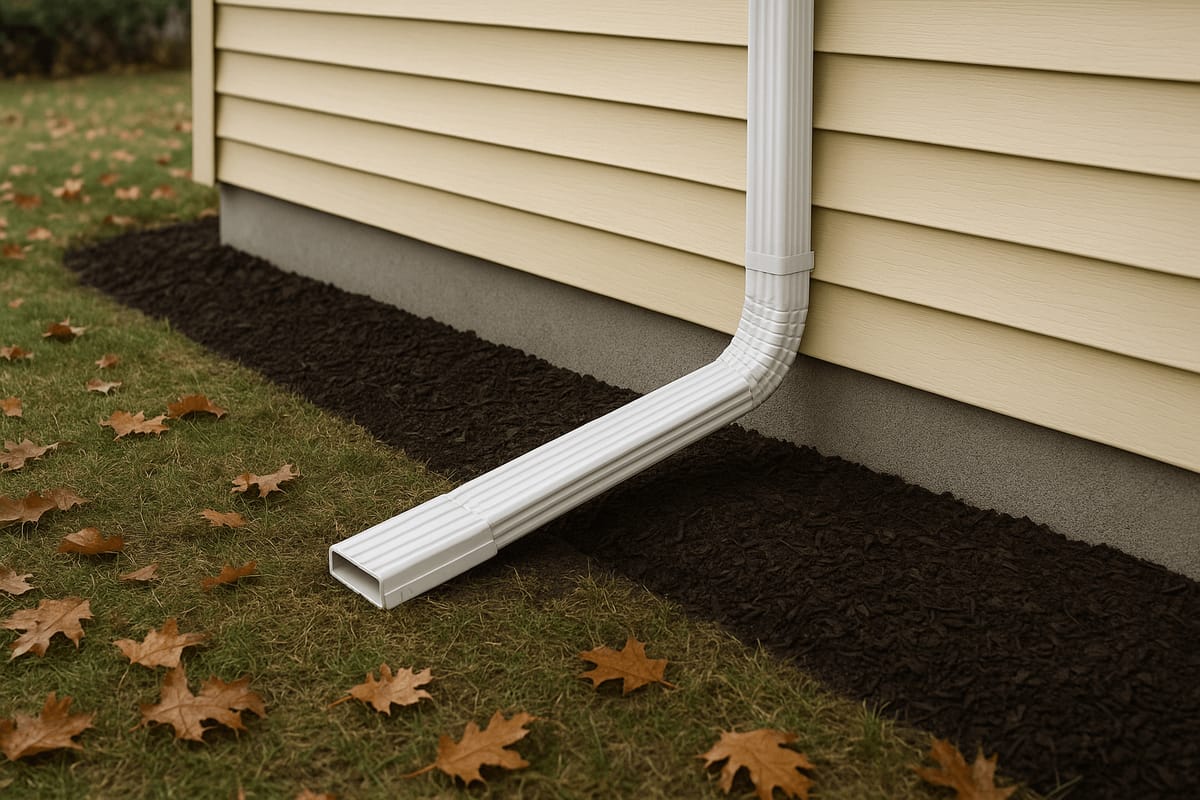
- Mulch piled too close to the house
- Gutters draining against the foundation
- Standing water nearby
Termites need the right conditions to thrive, and moisture is a large part of that picture. It is why a wet basement is not only a plumbing problem.
Get one if a neighbor had termites
Termites do not respect property lines.
A nearby infestation does not prove you have one, but it makes checking reasonable — particularly in an older neighborhood, near mature trees, with a crawl space, or where there have been moisture problems around the foundation.
Nearby activity is not a reason to panic. It is a reason to check.
Consider making it annual
Most people think about termites only after they see a problem. That is understandable, and it is the expensive way round.
A yearly inspection is ordinary home maintenance in an area where termites are a known concern, which Cincinnati and Northern Kentucky are. It belongs in the same category as cleaning the gutters, changing filters and servicing the furnace — things you do because prevention is easier than repair.
Annual inspections are especially worth it if your house has a basement, a crawl space, older wood framing, past moisture problems, landscaping close to the foundation, wooden decks or fences near the walls, previous termite activity, or a neighbor who has had it.
What happens during an inspection
Detailed inspection. The technician checks where activity is most likely: the foundation, basement, crawl space, accessible wood, exterior walls, trim, and anywhere wood meets soil or moisture. The aim is to find current activity, past activity, or the conditions that create risk.
Entry point and moisture review. Termites use small openings and hidden paths. That means looking near the foundation, around utility lines, near crawl spaces and around damaged wood — and at the moisture picture, because moisture plus wood plus access is the combination that matters.
Wood and structural checks. Sill plates, support beams, floor joists, trim, door frames, and basement or crawl space wood, looking for damage patterns, soft spots, hollow areas, mud tubes and insect activity.
Treatment recommendation. If there is activity, the recommendation is based on the property and what was actually found. A crawl space home with moisture problems is not the same job as a slab home with a small exterior concern.
Prevention guidance. Fixing moisture, improving drainage, moving wood away from the foundation, keeping mulch off the siding, sealing gaps, and knowing what to watch for. An inspection should leave you with clarity rather than a bill and a vague sense of doom.
Why a DIY check is not enough
Homeowners can and should watch for the signs. It genuinely helps. But a DIY check has limits: termites stay hidden, their damage looks like water damage, swarmers look like flying ants, mud tubes turn up in places nobody looks, and store-bought products deal with visible insects rather than the colony.
Looking for signs is useful. Relying on guesswork is not. The difference is between “I think it’s fine” and “someone actually checked the places that matter.”
When not to wait
Call for an inspection if you see mud tubes, find discarded wings, see swarming insects, tap wood that sounds hollow or feels soft, notice damaged trim or frames, have had water problems near the foundation, are buying or selling, know a nearby property had activity, or simply have not had an inspection in years.
You do not need to be sure termites are there before calling. That is what the inspection is for.
Common questions
How often should I get a termite inspection?
Once a year is a sensible rhythm for most homes, and particularly for houses with basements, crawl spaces, moisture concerns or older wood framing.
What are the first signs of termites?
Mud tubes, discarded wings, hollow-sounding wood, damaged trim, frass and swarming insects. Any of those is a reason to schedule.
Can termites damage a home before I see them?
Yes. They can work behind walls, under floors, near foundations and in crawl spaces for a long time before anything is visible. That is the whole argument for inspecting.
Should I get an inspection before buying a house?
Yes — and early rather than late. Finding something before closing turns a structural surprise into a negotiating point.